AI for Good—How to Use Automation Without Losing the Human Touch
April 11, 2025
2 minute read


AI should make your work more human—not less. Here’s how nonprofits, higher ed teams, and small businesses can use automation to strengthen trust and connection.


Scott Williams
Chief Executive Officer
Blog Overview:
- Why AI needs a human-first mindset
- Misconceptions about automation and empathy
- How to apply AI in ways that support relationships
- Practical use cases in nonprofits, higher ed, and SMBs
- Framework for human-centered AI adoption
There’s a fear in many teams: if we bring in automation, we’ll lose what makes us human.
But when used well, AI doesn’t replace relationships. It strengthens them.
The real promise of AI isn’t efficiency alone. It’s space—space to write better messages, follow up more thoughtfully, and focus on what only people can do.
AI Isn’t Meant to Replace Empathy
Somewhere along the line, we started talking about AI like it could “replace your marketing team.” But that’s the wrong conversation.
Your tech should never replace:
- Human empathy
- Strategic judgment
- Relationship-building
It should support those things.
According to a McKinsey 2025 study on AI in the workplace, employees are 3x more likely to be using AI than their leaders expect. It’s already here, let’s take full advantage of it!
What Human-Centered AI Looks Like
- An automated thank-you email sent quickly—so your donor feels seen
- A chatbot that helps a student get to the right advisor faster
- A system that triggers a task for a real human to follow up
Automation shouldn’t mean less human. It should mean better human.
How to Apply It Thoughtfully
Nonprofits:
- Use AI to write the first draft of personalized messages—then humanize them
- Set up automations for admin tasks so your team can spend more time with donors
- Use chat-based systems to guide supporters to the right info faster
Higher Ed Advancement:
- Automate pre-meeting briefs for gift officers using donor data
- Use AI tools to spot patterns in giving and suggest targeted outreach
- Streamline newsletter creation so your stories reach more alumni
Small Businesses:
- Set up email flows that onboard clients with care
- Use AI chat to answer common questions while you focus on custom work
- Automate internal processes so your customer experience feels smooth
A Simple Framework for Ethical, Human-First AI
1. People first. Does this make life better for your team or audience?
2. Purpose-driven. Is this solving a real problem?
3. Transparent. Would you feel good explaining how this works? 4. Flexible. Can a human override, edit, or intervene when needed?
Final Word
You don’t need to be afraid of AI. You need to be intentional with it.
Start small. Pick one process that’s weighing down your team. Automate it well. And then ask: how does this help us connect more?
Because AI for good doesn’t look like a robot. It looks like your team—doing what they do best.
Related Insights
-

Beyond the Leaderboard: Why Giving Days Are the Future of Campaign Culture
Giving Days are maturing. What began as 24-hour fundraising sprints are now becoming campaign-connected traditions that shape how campuses celebrate and sustain philanthropy. Here is why that shift matters for campaign success.
-
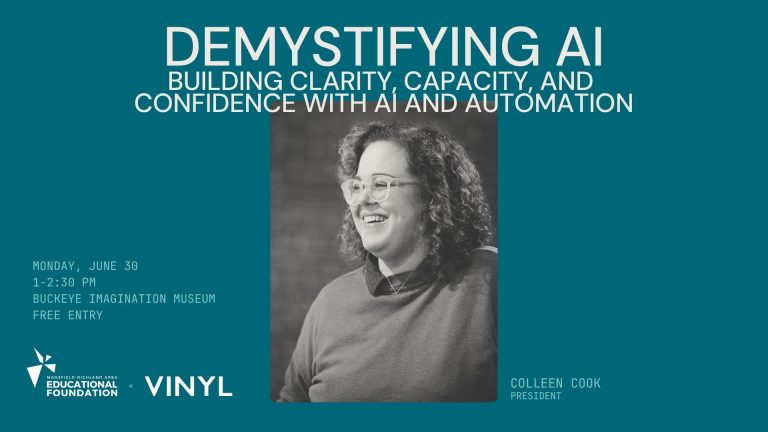
Demystifying AI Workshop
Feeling overwhelmed by AI? This 90-minute workshop will help you cut through the noise and explore practical, human-first ways to use AI to build capacity, streamline your work, and better serve your mission.
-

The Power of Consistency—How Year-Round Content Builds Long-Term Growth
Big campaigns are great—but they don’t replace year-round connection. Here’s why consistent content builds more momentum (and how to do it sustainably).
-

How to Get the Most Out of Your CRM (Without Losing Your Mind)
Your CRM isn’t supposed to be the thing that slows you down. Here’s how to use it to drive strategy, not stress. Especially helpful for nonprofit and advancement teams.
-

Why Most Campaigns Stall—and How to Get Momentum Back
Most campaigns don’t fail. They stall. Here’s why—and how to build in systems that keep momentum going, especially for nonprofits and advancement teams.
-

From Donors to Customers: What We’ve Learned About Personalized Marketing
Fundraisers and marketers have something in common: the best results come from making people feel seen. Here’s what nonprofits, SMBs, and higher ed teams can learn from each other about personalization.
Let’s get started.
We’re jazzed about the idea of partnering with purpose-driven organizations and people. The first step is getting to know each other and jiving with what wakes you up each morning. Reach out and let’s explore what that looks like.