Beyond the Leaderboard: Why Giving Days Are the Future of Campaign Culture
November 6, 2025
5 minute read
Giving Days are maturing. What began as 24-hour fundraising sprints are now becoming campaign-connected traditions that shape how campuses celebrate and sustain philanthropy. Here is why that shift matters for campaign success.


Josh Agee
Strategist
How a One-Day Event Is Quietly Building a Culture of Philanthropy
Celebrating a culture of philanthropy while simultaneously defining and building it is the quiet power of Giving Day, especially now as more institutions connect the day to their larger campaign strategies.
Across higher ed, we are watching a shift happen in real time. Giving Days are not just fundraising sprints anymore. They are starting to feel like something bigger, something that belongs to the campus and contributes directly to long-term campaign goals.
What started as a one-day experiment in donor participation has grown into an annual celebration of belonging that fuels broader campaign culture. You can see it: food trucks on the quad, students running social takeovers, faculty and staff proudly showing how their corner of the university is changing lives. Honestly, they have become something I am kind of jealous I am not there for.
The reason feels clear. Ambassadors, student groups, faculty, and campus leaders are starting to take more ownership, even if it is still early. The energy is beginning to come from within. The more that happens, the more these events will stop feeling like isolated fundraisers and start feeling like campaign-connected traditions that build lasting engagement.
It is not just about raising dollars anymore. It is about raising energy. And that matters. Because every time a campus gathers around generosity, it is practicing something campaigns try desperately to capture: shared purpose.
The Observation
Giving Days are evolving from standalone events into campaign-connected experiences. While the immediate goal is still to raise money, the motivation underneath has changed. Teams want to build something lasting: excitement, identity, community, and alignment with larger campaign messages.
And it is working. Giving Days make generosity visible, approachable, and fun. They break down the stiffness that can come with fundraising. It is hard to talk about culture when you are chasing totals, but this is where culture starts: in the noise, the participation, and the sense of ownership that grows each year.
This is where Giving Days need to go next. They should serve as a testbed for campaign storytelling, the place to experiment with themes, creative approaches, and messages that can shape the campaign that follows. It is no longer a one-off event. It could be the first step in someone’s campaign journey.
The Hypothesis
My working theory is that this change signals something deeper: a growing understanding that Giving Day is not just a tool for raising funds, but for shaping a culture of philanthropy that supports and sustains campaign success.
In other words, while many institutions might not describe it this way yet, they are moving toward a model where Giving Day is less about counting gifts and more about creating shared ownership around giving itself. By connecting Giving Day to larger campaign priorities, universities can make generosity part of their institutional narrative year-round.
Culture takes time to build. Traditions accelerate it. And even if most campuses are not consciously using Giving Days as rehearsals for generosity, the byproduct of all this energy, storytelling, and visibility is exactly that. They are simultaneously celebrating a culture of philanthropy and building it, each act of participation strengthening the very mindset it is meant to honor.
The Maturity Curve
When a new idea takes hold in advancement, it usually starts as an experiment. Early adopters test it. Results trickle in. Leadership takes notice. Over time, the conversation shifts from Does this work? to How can we make it ours?
That is where Giving Days are now. The format is proven. The excitement is real. And the institutions doing it best are those connecting the event directly to campaign strategy. They use Giving Day to highlight purpose and participation, not just urgency, and to unite their audience under one message of shared progress.
Tradition, after all, is what happens when success becomes shared memory.
Why It Matters for Campaigns
Comprehensive campaigns often aspire to do what Giving Days are already beginning to accomplish: build a culture of philanthropy while celebrating it. Campaigns aim to unite people around shared purpose, to deepen connection, and to elevate giving into something personal and communal. But that level of engagement does not happen overnight. It grows out of repeated experiences that make generosity visible and participatory.
That is what Giving Day offers. It is not a one-day fundraising tool. It is a living expression of philanthropic culture and an essential piece of campaign readiness. When integrated with campaign goals, it becomes an awareness engine for future success, helping campuses rally their communities, refine their storytelling, and remind people what they are part of. In celebrating generosity, they are also rehearsing it.
The more campuses see Giving Day as the cultural foundation of their campaign work, the stronger their campaigns will become. It is not just about raising money for the moment, but about creating momentum that lasts long after the day ends.
And that momentum is only growing. Giving Days are on the verge of becoming something even bigger, events that unite entire communities around generosity and turn philanthropy into a shared experience worth celebrating.
Where We See Giving Days Going
Giving Days are just the beginning, the tip of the iceberg for university philanthropy. As institutions continue connecting them to broader campaign goals, they will evolve into large-scale celebrations of generosity that make engaging with philanthropy both meaningful and fun.
Much like Live Aid, Comic Relief, or Movember and the Ice Bucket Challenge, the next generation of Giving Days will combine storytelling, entertainment, and participation to bring entire communities together around shared purpose. They will become multimedia moments that celebrate impact while driving deeper understanding of need.
The most forward-thinking campuses will use Giving Day not only as a day to give, but as a day to feel connected to the mission, to see and hear the difference philanthropy makes. When people experience generosity that way, it stops being a transaction and starts becoming part of identity.
What It All Means
If this trajectory continues, Giving Days could become one of the most effective tools for building long-term philanthropic culture on campus. Not because of the totals raised, but because of the habits reinforced.
When a community celebrates giving together year after year, it normalizes generosity. It makes philanthropy visible, participatory, and fun. And over time, that shared experience begins to look a lot like identity.
Maybe the best thing an advancement team can do this year is not to reinvent Giving Day. It is to connect it. To see it as the first chapter in a larger campaign story that builds identity, belonging, and sustained generosity.
The truth is, no one plans a tradition. They just plan something worth repeating.
Campaigns succeed where culture already exists. When institutions invest in building generosity through shared experiences like Giving Day, they are not just preparing for their next campaign. They are creating the environment that makes it possible.
Reflection Questions for Advancement Teams
- What is your Giving Day really building: a fundraising total or a philanthropic culture?
- How could you design experiences that help people feel ownership, not just obligation?
- What would change if you measured success by connection, not just conversion?
- How might your next campaign benefit from a campus that already knows how to celebrate giving?
Related Insights
-
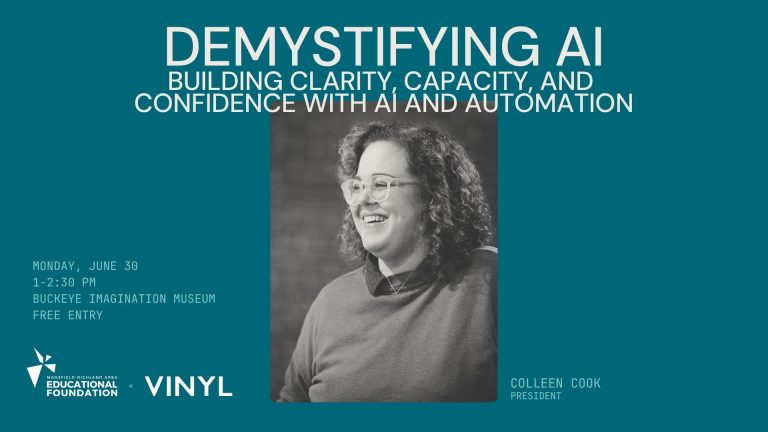
Demystifying AI Workshop
Feeling overwhelmed by AI? This 90-minute workshop will help you cut through the noise and explore practical, human-first ways to use AI to build capacity, streamline your work, and better serve your mission.
-

AI for Good—How to Use Automation Without Losing the Human Touch
AI should make your work more human—not less. Here’s how nonprofits, higher ed teams, and small businesses can use automation to strengthen trust and connection.
-

The Power of Consistency—How Year-Round Content Builds Long-Term Growth
Big campaigns are great—but they don’t replace year-round connection. Here’s why consistent content builds more momentum (and how to do it sustainably).
-

How to Get the Most Out of Your CRM (Without Losing Your Mind)
Your CRM isn’t supposed to be the thing that slows you down. Here’s how to use it to drive strategy, not stress. Especially helpful for nonprofit and advancement teams.
-

Why Most Campaigns Stall—and How to Get Momentum Back
Most campaigns don’t fail. They stall. Here’s why—and how to build in systems that keep momentum going, especially for nonprofits and advancement teams.
-

From Donors to Customers: What We’ve Learned About Personalized Marketing
Fundraisers and marketers have something in common: the best results come from making people feel seen. Here’s what nonprofits, SMBs, and higher ed teams can learn from each other about personalization.
Let’s get started.
We’re jazzed about the idea of partnering with purpose-driven organizations and people. The first step is getting to know each other and jiving with what wakes you up each morning. Reach out and let’s explore what that looks like.